[Event] Boreal NextGen Summer Series|Financial Industry Experience at CFA Society Toronto
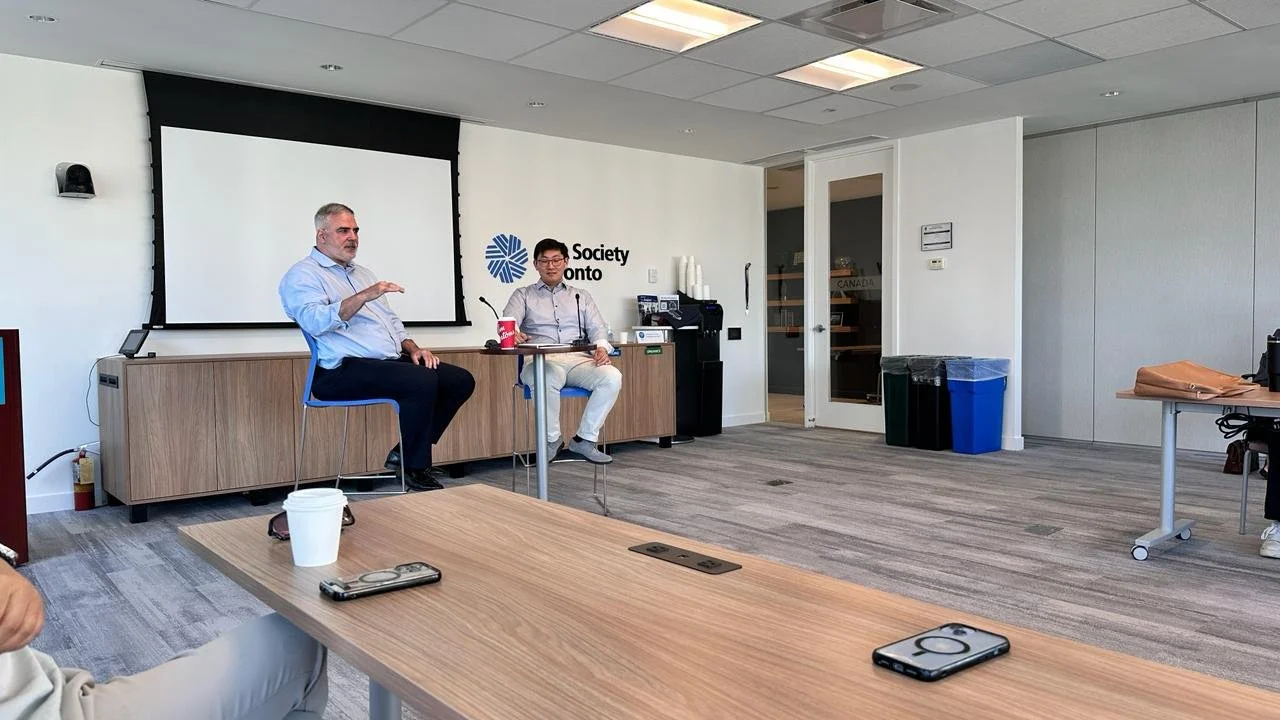
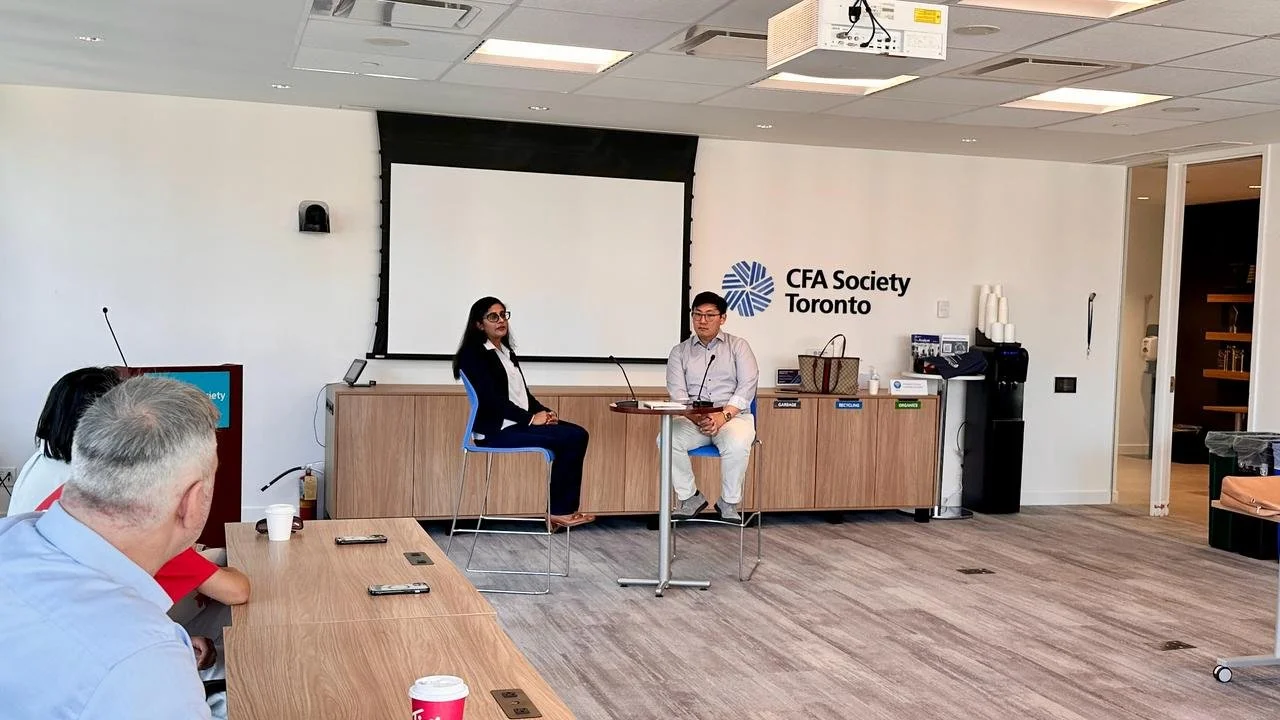
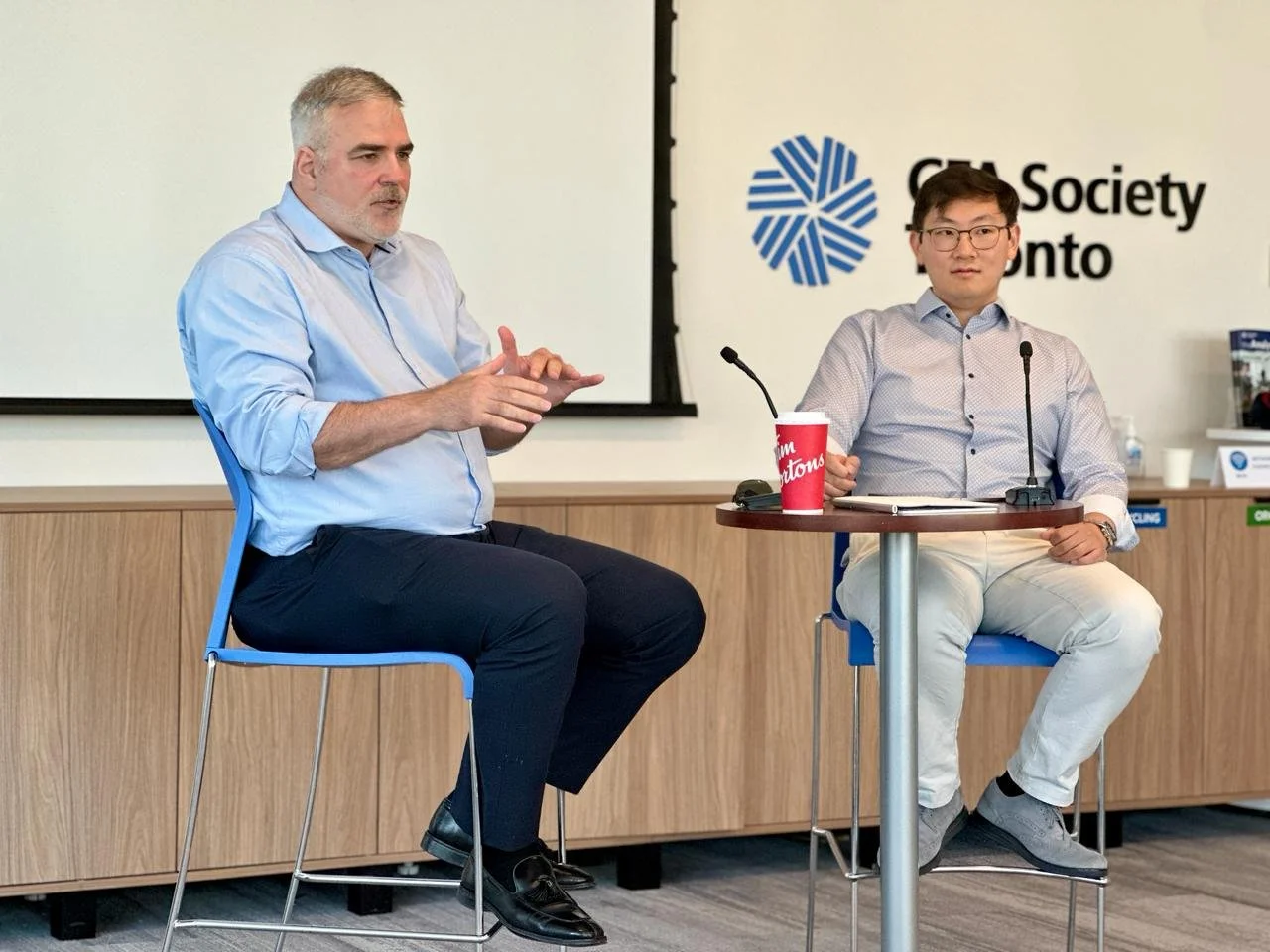
Boreal Family Office is pleased to share that the second session of the Boreal NextGen Summer Series was successfully held last Friday at CFA Society Toronto.
Following our first session on the legal profession, this session focused on the financial industry : helping young participants look beyond job titles, market headlines and media impressions, and gain a more grounded understanding of what finance professionals actually do.
We are deeply grateful to CFA Society Toronto for supporting this event, and to our two guest speakers, Douglas Martin and Fauzia, for their time, generosity and thoughtful sharing.
A Real-World Introduction to Finance
The purpose of this session was not to tell students that they should choose finance as a career. Instead, the goal was to help them understand what the financial industry looks like in real life: how professionals enter the industry, what kinds of roles exist, what skills are required, and what challenges come with advising clients and managing capital.
During the session, the students asked thoughtful questions about the CFA designation, professional roles in finance, and the rules and expectations within the financial industry.
Fauzia shared her experience moving from insurance-related investment work at Aon to pension fund investment and investment advisory. She helped the students understand what “investment advisory” means in practice, and how financial professionals support institutions and clients in making investment-related decisions.
Douglas Martin shared his educational and professional journey, including his time at Princeton University and his transition into finance after studying arts and architectural history. The students were especially curious about how he gained admission to Princeton, why he chose finance rather than continuing directly in his original academic field, and how his alumni network entered different areas of the financial industry, including investment banking, securities analysis and hedge funds.
Finance Is Competitive and Real Life Is Demanding
One of the most valuable parts of the discussion was the honesty of both speakers.
Both Douglas and Fauzia acknowledged that the financial industry is highly competitive and often high-pressure. Finance is not only about intelligence, credentials or technical knowledge. It also requires discipline, emotional control, professionalism and long-term commitment.
A key message from both speakers was the importance of time management.
For young people considering finance, this point was especially important. Professional life does not stop when further education begins. Many people pursuing designations such as the CFA must balance full-time work, family life, personal responsibilities and academic study at the same time.
The speakers explained that, in real life, candidates often need to set aside four to six hours for study while continuing to meet professional responsibilities. This gave students a realistic picture of what professional development looks like after university: it is not only about getting into a good school or landing a first job, but about continuing to learn and improve under pressure.
Starting with the Basics
Another practical takeaway was that students do not need to begin with the most advanced credential immediately.
For those interested in finance, the speakers suggested starting with entry-level programs or courses, such as the Canadian Securities Course (CSC) or other introductory investment-related education, to first understand whether they truly enjoy the industry.
From there, those who remain interested can gradually move toward more advanced professional paths, including the CFA designation.
This message was important because it helped students see career development as a step-by-step process. A professional identity is not built all at once. It is developed through exposure, testing, learning, work experience and personal reflection.
The Human Side of Investment Advisory
The discussion also moved beyond technical finance.
One of the most challenging parts of financial work, both speakers explained, is working with clients — especially when clients are under stress, uncertain about markets, or emotionally affected by investment outcomes.
In investment advisory, professionals must often help clients manage expectations, understand risk, stay disciplined during market volatility, and avoid emotional decisions that may harm long-term outcomes.
This was an important lesson for the students: finance is not only about numbers. It is also about people.
A good financial professional must understand markets, but also understand human behaviour. They must know how to explain complex issues clearly, maintain client trust, and stay committed to investment principles even when emotions are high.
Different Career Cultures: United States and Canada
Douglas also shared an interesting comparison between the financial industries in the United States and Canada.
In his view, the U.S. financial industry may be more open to people from different academic and professional backgrounds. Candidates from various disciplines can move into finance, and selection may depend more heavily on personality, work ethic, practical experience and fit.
By contrast, Canada’s Bay Street environment may place greater emphasis on professional experience, educational background, school reputation and formal qualifications.
This comparison gave the students a broader perspective. There is no single pathway into finance. Different markets may value different qualities, and students should understand both the formal requirements and the cultural expectations of the industry they hope to enter.
Why Boreal NextGen Matters
At Boreal Family Office, we created the NextGen Summer Series because we believe career education should not only come from school, social media, movies or family expectations.
Young people should have opportunities to meet real professionals, hear real career stories, and understand the responsibility behind professional success.
This session showed the students that finance is not simply about trading, investment banking, hedge funds or impressive titles. It is about research, judgment, discipline, client responsibility, emotional resilience and lifelong learning.
The students left with a more realistic understanding of the industry and not just what finance looks like from the outside, but what it feels like from the inside.
We would like to again thank CFA Society Toronto, Douglas Martin, Fauzia, our host Yusu, the participating families and, most importantly, the students for their curiosity and thoughtful questions.
The Boreal NextGen Summer Series will continue to create small-scale, meaningful opportunities for the next generation to engage with the real professional world.
Boreal NextGen 夏季系列|走进 CFA Society Toronto,理解真实的金融行业
Boreal Family Office 很高兴分享,Boreal NextGen 夏季系列第二场活动 已于上周五在 CFA Society Toronto(CFA 多伦多协会) 顺利举行。
继第一场法律职业体验之后,本次活动聚焦于 金融行业,希望帮助年轻参与者走出职位名称、市场新闻和媒体印象,更真实地理解金融专业人士在实际工作中做什么、如何思考,以及这个行业真正需要哪些能力。
我们衷心感谢 CFA Society Toronto 对本次活动的支持,也特别感谢两位嘉宾 Douglas Martin 和 Fauzia,感谢他们投入时间,真诚而深入地与孩子们分享自己的职业经历和行业观察。
真实世界中的金融行业
本次活动的目的,并不是告诉学生未来一定要选择金融行业。相反,我们更希望帮助他们理解金融行业在现实中是什么样的:专业人士如何进入这个行业,行业中有哪些不同角色,哪些能力会被长期看重,以及在服务客户和管理资本的过程中,会遇到哪些真实挑战。
活动中,孩子们提出了许多认真而具体的问题,包括 CFA designation(CFA 专业资格)、金融行业中的不同职位、职业发展路径,以及金融行业中的规则与专业期待。
Fauzia 分享了她从 Aon 的保险相关投资工作,到养老金投资和投资顾问领域的职业经历。她帮助孩子们理解了 investment advisory(投资顾问服务) 在实际工作中意味着什么,以及金融专业人士如何协助机构和客户进行投资相关决策。
Douglas Martin 则分享了他的教育与职业路径,包括他在 Princeton University(普林斯顿大学) 的学习经历,以及在主修艺术与建筑史之后,如何进入金融行业。孩子们尤其好奇他如何获得普林斯顿的录取,为什么后来选择金融而不是继续沿着原有学术方向发展,以及他的校友如何进入 investment banking、securities analysis 和 hedge funds 等不同金融领域。
金融行业的竞争与现实压力
本次讨论中最有价值的部分之一,是两位嘉宾非常坦诚地分享了金融行业的真实面貌。
Douglas 和 Fauzia 都提到,金融行业是一个高度竞争、压力较大的行业。金融并不只是关于聪明、学历或技术知识。它同样要求纪律、情绪控制、专业精神和长期投入。
两位嘉宾都特别强调了 time management(时间管理) 的重要性。
对于正在考虑未来职业方向的年轻人来说,这一点尤其重要。专业人生不会因为继续学习而暂停。许多准备 CFA 等专业资格的人,往往需要在全职工作、家庭生活、个人责任和学习之间同时保持平衡。
嘉宾们分享,在现实生活中,CFA 考生常常需要在工作之外安排每天四到六个小时的学习时间,同时还要继续完成本职工作和职业责任。这让学生们更真实地看到,大学之后的专业成长并不是简单地进入一所好学校或获得第一份工作,而是在压力之下持续学习、持续积累、持续提升。
从基础开始理解行业
另一个非常实际的收获是:如果学生对金融行业感兴趣,并不需要一开始就直接追求最高阶的专业资格。
嘉宾们建议,可以先从入门级课程或项目开始,例如 Canadian Securities Course(CSC,加拿大证券课程),或其他基础投资相关教育,先了解自己是否真正喜欢这个行业。
在此基础上,如果仍然有兴趣,再逐步进入更高阶的专业路径,例如 CFA。
这一点对孩子们很重要,因为它让他们看到,职业发展并不是一步完成的。一个人的专业身份,是通过接触、测试、学习、工作经验和自我反思逐步建立起来的。
Investment Advisory 背后的人性挑战
本次讨论也并没有停留在金融技术层面。
两位嘉宾都提到,金融工作中最具挑战性的部分之一,是与客户打交道,尤其是在客户面对市场波动、投资不确定性或投资结果带来的情绪压力时。
在 investment advisory 的实际工作中,专业人士常常需要帮助客户管理预期、理解风险、在市场波动中保持纪律,并避免因为情绪影响而做出不利于长期目标的投资决策。
这对学生来说是非常重要的一课:金融并不只是数字。
优秀的金融专业人士不仅要理解市场,也要理解人。他们需要能够清楚解释复杂问题,维护客户信任,并在客户情绪波动较大时,仍然坚持投资原则和专业判断。
美国与加拿大金融行业文化的差异
Douglas 还分享了一个很有意思的比较:美国和加拿大金融行业在人才选择和职业路径上的差异。
在他的观察中,美国金融行业可能更愿意接受来自不同学术和职业背景的人。来自不同专业的人都有机会进入金融行业,雇主在筛选候选人时,可能更重视性格、工作态度、实践经验和岗位匹配度。
相比之下,加拿大的 Bay Street 环境可能更看重专业经验、教育背景、学校声誉和正式资格。
这个比较帮助孩子们建立了更广阔的视角。进入金融行业并没有唯一道路。不同市场会重视不同能力,学生需要同时理解行业的正式要求和不同地区的职业文化。
为什么 Boreal NextGen 很重要
在 Boreal Family Office,我们创立 NextGen Summer Series,是因为我们相信,职业教育不应该只来自学校、社交媒体、电影或家庭期待。
年轻人应该有机会更早接触真实的专业人士,听到真实的职业故事,并理解专业成功背后的责任、训练和长期积累。
本次活动让孩子们看到,金融并不只是 trading、investment banking、hedge funds 或光鲜的职位名称。金融也关乎研究、判断、纪律、客户责任、情绪韧性和终身学习。
孩子们离开时,对金融行业有了更真实的理解。他们看到的,不只是金融从外部看起来是什么样子,更是金融从内部经历起来是什么样子。
我们再次感谢 CFA Society Toronto、Douglas Martin、Fauzia、本次活动主持人 Yusu、所有参与家庭,以及最重要的——感谢孩子们的好奇心和认真提问。
Boreal NextGen 夏季系列 将继续通过小规模、有深度的真实职业体验,为下一代创造理解专业世界的机会。